
New Walmart Supercenter opens in Puerto Progreso Yucatan Times December 17, 2025

New Investments Strengthen Growth and Development in Progreso
New Walmart Supermarket Opens in Puerto Progreso, Boosting Employment and the Local Economy.
With the opening of the Walmart Supercenter Puerto Progreso, the municipality adds a new investment that will contribute to economic growth and job creation, stated Mayor Erik Rihani González during the inauguration of the store located in the eastern part of the city.
In the presence of dozens of Progreso residents, as well as state and municipal authorities and representatives of the business sector, the mayor emphasized that the arrival of this new supermarket represents an opportunity to strengthen local development and improve the range of services available to families in the port.
During his remarks, he recalled Walmart Group’s presence in Yucatán for more than three decades and its participation in the economic life of Progreso through the Bodega Aurrera store, highlighting its contribution to job creation and its social responsibility.
For his part, Edmundo Delgado, Vice President of Walmart Supercenter and Walmart Express, thanked the authorities for their support and acknowledged the work of the 124 associates who make up the team at the new store, most of whom are from Progreso, and 60 percent of whom are women.
He also highlighted that the store will offer a wide variety of products and services, and announced that food unsuitable for sale but safe for human consumption will be donated to the Mérida Food Bank, as part of the company’s social commitment.
Image: New investments strengthen the growth and development of Progreso. The opening ceremony was attended by the U.S. Consul General in Mérida, Justen Thomas; the Undersecretary of Competitiveness and Financing of the Ministry of Economic Development and Labor, Alberto del Río Leal, representing the Governor of the State; as well as Walmart Group executives and municipal authorities.
Later, the ribbon was cut and a tour of the facilities took place, where authorities and the first customers learned about the services offered by the new supermarket. This supermarket will allow residents to access quality products at affordable prices, saving them time and travel.
With this investment, the Progreso City Council reaffirms its commitment to promoting projects that strengthen the local economy, generate employment, and contribute to the well-being of families in the municipality.
Want to experience a real treat? Call Clary at 52 999 507 4641.
Why you ask? This woman is an amazing cook who comes to your home and prepares a meal and cleans up for a group of friends.She lives in Chuburna. Folks who have used her service have only good things to share!!
The new elevated viaduct
This Wed, Nov 26, the new elevated viaduct in Progreso finally began operations, a project carried out by the state and federal governments with the aim of removing heavy cargo from the streets of the municipality and redirecting it towards the new elevated roadway.
The project officially opens after two years and two months of work, having started on June 13, 2023 and concluded on August 31, 2025, although it remained inoperative for almost three months despite being finished.
The lack of access generated growing discontent among residents, as trucks continued to circulate on 46th, 25th, and 86th Streets, causing damage, creating hazards, and disrupting residential areas. During this period, residents held at least six protests and blockades to demand that heavy traffic be diverted to the viaduct, as had been promised since the project’s inception.
The conflict reached its peak last week when residents of the affected areas carried out their sixth consecutive blockade to prevent trucks from passing. The action paralyzed cargo, maritime, and port activity for almost two days, causing millions of dollars in economic losses and forcing the direct intervention of authorities to resolve the crisis and definitively set the opening of the elevated viaduct for today.
Following a meeting with the concerned residents, state and municipal authorities signed a document committing to a series of actions aimed at resolving the conflict and restoring normalcy to the affected neighborhoods. Key agreements include:
1. Open the elevated viaduct to tractor-trailer traffic on November 26, 2025.
2. Gradually remove all heavy-duty tractor-trailers currently traveling on 46th and 25th Streets by December 30.
3. Maintain 86th Street as a free-flowing, two-way route for heavy-duty traffic, since the viaduct is a toll road—averaging one dollar per ton—and some carriers may choose not to use it.
4. Return 46th Street to its original two-way traffic, as established in the City Council minutes previously approved by the City Council.
5. Repaint the speed bumps installed on 46th and 25th Streets to improve visibility and safety, an action carried out days after the meeting.
6. Progressively remove all signs and placards indicating “free passage” on 46th and 25th Streets, returning them to their original state.
Although not all residents signed the agreement, most expressed confidence that the authorities would fulfill their commitments and that the opening of the viaduct would mark the beginning of a definitive solution to the problems caused by heavy truck traffic in the city.
Erik Rihani and Vaccines Nov 2025
The Progreso City Council invites the entire population to participate in the Influenza Vaccination Campaign, carried out by the Health Department in coordination with the Comprehensive Health Services Center (CESSA).
The event will take place this Friday, November 28, in the basement of the Municipal Palace, from 8:00 am to 1:00 pm
It’s worth noting that a flu vaccination drive was also held last Monday, November 24th. With these actions, the City Council, led by Mayor Erik Rihani González, continues to strengthen its comprehensive plan to protect the health of Progreso residents.
This campaign is essential to protect the population, especially the most vulnerable groups, from respiratory illnesses.
With this purpose, the mayor is reinforcing municipal efforts to bring preventive services closer and promote a culture of care and community responsibility.
These actions reflect the commitment of the authorities to prevent risks, reduce infections and guarantee the well-being of the citizens.
Gómez Ordoñez strongly encouraged the public to get vaccinated, noting that the campaign is open to everyone, including children six months and older. The requirements to participate are:
Children (from 6 months of age):
-CURP
-Vaccination card
General public:
-Vaccination card or INE (National Electoral Institute ID)
The City Council urges residents to take advantage of this free service. Looking after our health is everyone’s responsibility, and prevention is the best way to protect our community. Your participation helps maintain a safer and better-prepared Progreso for the flu season
Yucatán’s Cruise Industry To Wrap Up 2025 With Record Results
 ByCarlos Rosado van der Gracht Dec 12, 2025
Yucatán will conclude the year 2025 with record results in its cruise industry, projecting that it will have received more than 460,000 passengers during the period. This represents sustained growth compared to the previous year.
The Ministry of Tourism Development (Sefotur), headed by Darío Flota Ocampo, reported that 19 cruise ship arrivals are expected in December alone. With these operations, the state will total 153 arrivals at the Port of Progreso throughout 2025.
As of November 30 of this year, Yucatán recorded the arrival of 144 cruise ships carrying 417,037 passengers.
For the month of December, the arrival of 19 cruise ships from lines such as Disney Cruise Line, Margaritaville at Sea, and Carnival Cruise Line is anticipated. These ships will collectively transport approximately 49,200 people.
This traffic reaffirms Yucatán’s strategic position on maritime routes originating from U.S. ports.
SEFOTUR attributes the success to a comprehensive strategy for promotion and strengthening maritime connectivity, driven by the state government, which has maintained constant communication with cruise lines.
Looking ahead, 2026 is already projected to surpass this year’s figures, with an expectation of 173 cruise operations and more than 480,000 visitors. This would represent an estimated growth of 14% for the sector.
This dynamism is a result of the continued interest generated by the Port of Progreso modernization project within the cruise industry, given its potential to enhance the traveler experience and accommodate vessels with greater draft.
However, it is important to keep in mind that Progreso’s cruise industry remains relatively small, especially when compared with nearby Cozumel in Mexico’s Caribbean, which by the end of this year is expected to have atracted approximately 5 million passengers.
Growth, but at what cost?
The expansion of Progreso’s pier (the longest in the world), while a driver for economic growth and tourism, has come with significant and visible environmental costs, primarily centered on coastal erosion and the loss of beachfront. The enlargement of the pier, which extends several kilometers into the Gulf of Mexico, has altered the natural movement of sand and ocean currents along the coastline.
This human-made structure acts as a barrier, disrupting the littoral drift that naturally replenishes the beaches. As a result, the area south of the pier has experienced accelerated erosion, where waves, deprived of their sediment flow, steadily eat away at the shoreline. This has led to a noticeable reduction of the public beach, a vital resource for both locals and visitors.

The loss of beachfront is not merely a cosmetic issue but an ecological and social one. The eroded beachfront reduces habitat for coastal species and diminishes natural storm buffers that protect inland areas.
For the community, it means less public space for recreation and can impact local businesses that depend on an attractive, accessible beach. Furthermore, the erosion has necessitated costly and ongoing human interventions, such as the placement of sandbags and rock walls, in an attempt to stabilize the receding shoreline.
These measures are often temporary and can sometimes exacerbate the problem elsewhere by further disrupting natural sediment patterns.
It is widely believed that the problem also has to do not just with the size of the pier, but the way in which its expansion has been designed.
This point is illustrated by the fact that the original section of the pier has now survived over eight decades’ worth of hurricanes thanks to its arched steel-and-cement structure, which allows for the natural flow of currents. However, more recent extensions depend on deep-sea pylons for the construction of large concrete structures that alter the natural rhythms of the sea, bringing with them problems like erosion.

Senior Editor Carlos Rosado van der Gracht is a journalist, photographer, and expedition leader. Born in Mérida, Carlos holds degrees from universities in Mexico, Canada, and Norway.
“Little Paws with a Home”: A Campaign to Promote Responsible Pet Adoption in Progreso
written by Yucatan Times December 12, 2025 0 comment

To promote responsible pet adoption, Progreso Mayor Erik Rihani González and municipal authorities continue to invite citizens to join the “Little Paws with a Home” (Huellitas con Hogar) initiative, emphasizing that the decision to adopt can completely transform the lives of these animals.
Following up on this campaign, the Animal Control and Protection Unit, in coordination with the Directorate of Fisheries and Agricultural Development—headed by Geovani Zapata Cervera and Randy Castillo Alférez—reported that there are currently two animals looking for a loving home.
In recent weeks, thanks to the City Council’s efforts, numerous dogs and cats have found families who have welcomed them into their homes. However, one dog and one cat are still waiting to be adopted.
They are Jengibre, a sociable and affectionate four-month-old orange kitten, and Vainilla, a five-month-old puppy with a playful and friendly personality.
Both are in excellent health, have received veterinary care, and are ready to join a loving home where they can grow up surrounded by care and affection.
Zapata Cervera, head of the Unit, reminded the public that the adoption process is simple: interested individuals should visit the Animal Protection Unit, located on Calle 20 between Calles 19 and 18 in the Héctor Victoria neighborhood. Only a copy of the INE (National Electoral Institute) card and a signed responsibility agreement are required to formalize the adoption. For more information, please call 969 103 9332.

Finally, municipal authorities emphasized the importance of promoting a culture of animal protection and welfare, highlighting that responsible adoption not only benefits animals but also families and the community, as it helps reduce the number of homeless animals and fosters respect for all forms of life.
The Progreso City Council appealed to the public’s compassion and solidarity, trusting that these little ones will soon be able to enjoy a new lease on life.
TYT Newsroom
Progreso strengthens citizen services with the “Muni” WhatsApp service
December 9, 2025 By Progresohoy
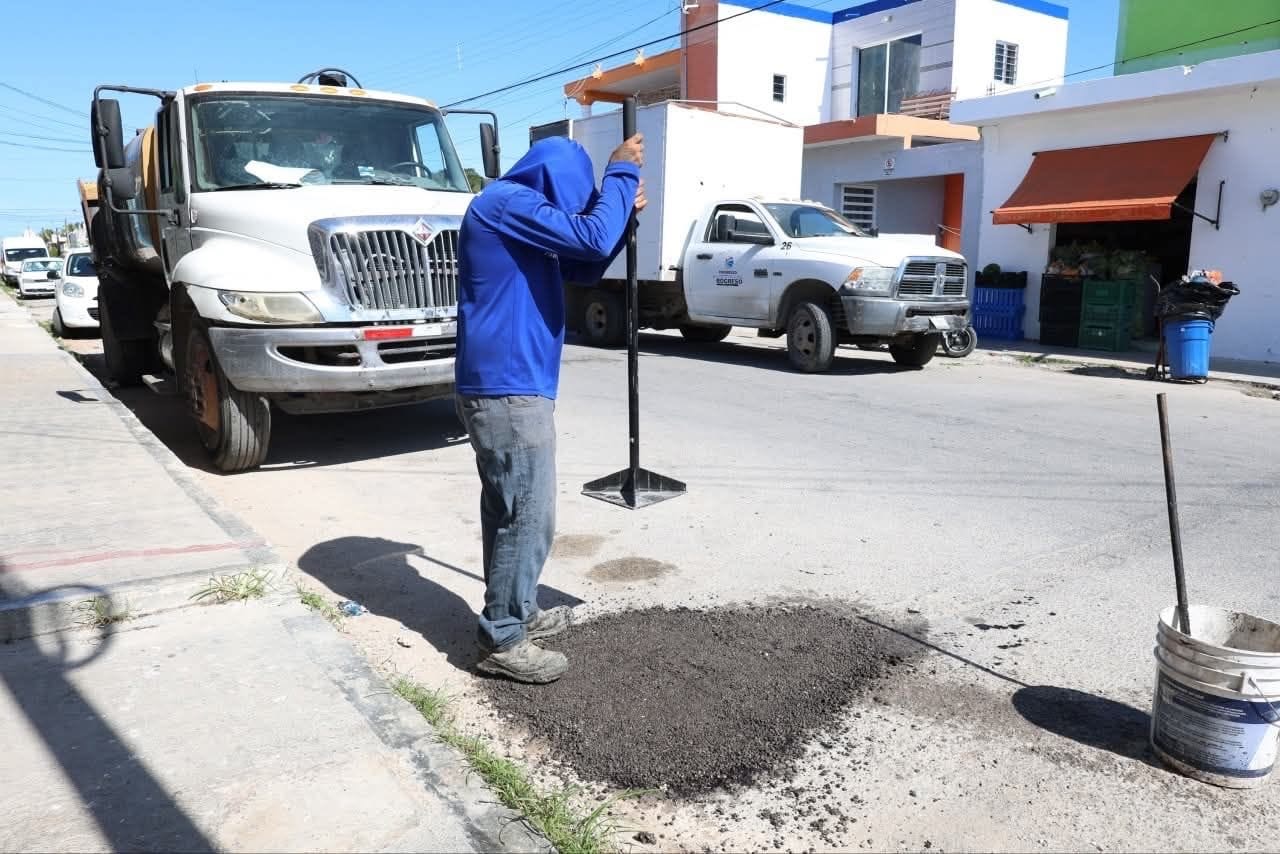
Well cleaning, pothole repair, and public lighting are some of the most frequent reports received by “Muni,” the new WhatsApp contact channel that Mayor Erik Rihani González made available to citizens to make requests 24 hours a day, 7 days a week.
The head of the Citizen Attention Unit, Marian Alejandra Moguel Pacheco, reported that more and more citizens are trusting Muni to report issues related to public lighting, potholes, cleaning of grates and wells, removal of abandoned vehicles on public roads, as well as incidents of garbage collection on streets and private properties.
He recalled that Muni was launched at the end of October and that, during November, the City Council addressed nearly 300 reports: 59 related to well cleaning, 69 to pothole repair, and 173 to street lighting.
“Some cases are still in process, either due to weather conditions or the nature of the report; however, we are making every effort to fulfill the mayor’s mandate and address the needs of the residents of Progreso in a timely manner,” Moguel Pacheco stated.
He explained that the staff works to respond to requests on the same day or within a period of between 3 and 15 days, and thanked those who have used the service for their patience.
He also reminded everyone that, once the report has been generated, citizens can check its status from the same chat with Muni, by providing the assigned reference number.
Finally, he reiterated that to generate a report, it is necessary to send a message via WhatsApp to 999 199 9061 and follow the instructions. He added that, in “option 3,” Muni also offers information on schedules, requirements for procedures, programs, and municipal services.
BACKYARD BIRDING IN MERIDA, YUCATAN AND BEYOND – OYSTER CATCHING? STAB OR SMASH? AMERICAN OYSTERCATCHER
Cherie Pittillo Dec 9, 2025
How difficult is it to catch an adult oyster? It’s basically cemented to a hard substrate. Can it move?
But here is one catch!
An oyster opens its shell to breathe, to feed on plankton, algae, bacteria, and other organic matter, and to filter particles. It appears an oyster may have an internal clock related to the moon’s cycle. When the moon appears fuller, an oyster narrows its shell and never completely closes it.

When the moon starts to recede, it widens the shell. That internal clock seems more important than just moonlight. How was that discovered? Research shows moving plankton, which oysters filter and eat, is impacted by moonlight.
But wait, there’s more! Here is another catch!
Oysters (and scallops) have an adductor muscle composed of a striated muscle that opens and closes the two hinged shells along with the “catch” muscle that locks the shells. Sometimes the American Oystercatcher, trying to prise open an oyster, can be caught and held with that “catch” muscle. The bird will drown or starve to death.
HOW TO CATCH AN OYSTER WITHOUT BEING CAUGHT: STABBING

From a distance this tuxedoed bird with an impressive 3-4 inch vivid orange bill stands out amongst other coastal birds. When closer, the adult American Oystercatcher wears a cloak of dark brown or brownish black feathers which refers to its “palliatus” Latin name for “cloak.”
How appropriate since the oyster also sports a mantle or black cloak divided into parts that grow and thicken inside the shell!
The American Oystercatcher, like other oystercatcher species, visually finds bivalves (oysters, scallops, clams, and mussels). Once it locates an open oyster, it forces the compressed bill at the hinge (interlocking teeth with strong, elastic ligament) to twist the bill back and forth. This action prises open the shells.


Next this shorebird pushes the bill farther into the oyster to sever the adductor muscle. This is a stabbing technique.


While searching for food, it can also plunge its head and upper body in deeper water.

OR IT’S HAMMER TIME!
Sometimes it can remove an individual bivalve from a clump to relocate it to hammer the shell. It aims for the adductor muscle location to smash or hammer through the shell then to cut that muscle.
It also probes sand for other marine organisms. One study indicates it could probe the sand at 20-37 times per minute. Soft shell and razor clams, like mussels, have a pair of adductor muscles. First the shorebird bill shovels the sand from around the clam which is then pushed up onto the surface. The hinge is cut, both adductor muscles are severed, and the soft parts are eaten.
Supposedly that bill is more blunt on rocky shores but those feeding in soft sand or mud have a more pointed bill. The juvenile bill tip is dark. Both the bill and eye ring become bright orange by year 4.

In 1840 John James Audubon commented that the oystercatcher could eat the soft parts through the main opening of a sea urchin without destroying the shell. Evidently this creature never went into shell shock like the bivalves.
LOUNGING?
Most of the day involves preening or resting during high tide.
Where? On an oyster “bed” of course!

Roosts include sandy beaches, mudflats, salt marshes, dunes, and shellfish reefs. Some species prefer rocky shores. Typically this 15-20” shorebird won’t roost inland, but other family members can, such as the Magellanic Oystercatcher.
The Magellanic Oystercatcher in Chile, probes to mainly feed on earthworms and insect larvae. It lives in moist, short grasslands and wetlands away from the coast even at an elevation of 3000 ft in the Andean foothills However, during the winter most of these oystercatchers move to a soft coast to dine on limpets, crabs, and marine worms.

TOO MUCH SALT IN THE DIET?
The main diet appears to be bivalves, mollusks, crustaceans and other marine invertebrates. Sand worms, mole crabs, limpets, barnacles, jellyfish, sea urchins, starfish, coquinas, hermit crabs, and sometimes small fish are also included. Diets can change during incoming and ebbing tides along with different seasons.
But what doesn’t change is the need to eliminate salt as oystercatchers along with many other species of shorebirds and seabirds have salt glands located above their eyes. They drink seawater and feed on salty organisms. These glands filter out salt from the blood to produce a saline solution which drips out of a bird’s nostrils.
FRIENDS OR ENEMIES?
This large shorebird associates with other species, but some of those species, such as Willets, gulls, and turnstones actually steal prey (kleptoparasitism) along with other adult or juvenile oystercatchers. They are prey pirates of the low seas especially at an oyster “raw bar.”


FUTURE?
The American Oystercatcher ranges along the coast from eastern USA and NW Mexico and is a permanent resident in the Yucatán Peninsula. Due to its marine diet, this species is competing with coastal development and has significantly reduced in numbers. Different organizations are working to protect its habitat and nesting areas. Other shorebird species are declining, but multiple conservation efforts have helped to rebound the population.

DISCLAIMER: References may not agree or I may not have found the most recent name changes. Plus autocorrect doesn’t like scientific names or language translations.
Sal a Pajarear Yucatán (Guía de Aves), Howell and Webb’s A Guide to the Birds of Mexico and Northern Central America, The Shorebird Guide, Common Coastal Birds of Florida & Caribbean, Florida’s Birds, Sibley Guide to Bird Life and Behavior, Sprunt’s Florida Bird Life, Bent’s Marsh Birds
Yucatán Launches Pilot Program for Free HIV Self-Testing
Yucatan Times Dec 8, 2025
The pilot program will be implemented in Mérida, Tizimín, and Valladolid, with a total of 5,000 self-tests available.
In response to the surge in HIV cases in Yucatán in recent years, where a rate of 22.18 diagnoses per 100,000 inhabitants was reported in 2022, health authorities, specialists, and members of civil society organizations launched an innovative strategy to expand early detection of the virus by providing free self-tests through an appointment-based app.
The initiative is spearheaded by the Health Research Consortium (Cisidat), in coordination with civil society organizations and state authorities, and will be rolled out as a pilot program in Mérida, Tizimín, and Valladolid, with a total of 5,000 self-tests available for distribution over six months or until supplies run out.
During the program’s launch, it was emphasized that this strategy represents a key step forward in the fight against underdiagnosis of HIV.
“The alliance between Cisidat, civil society organizations, and the strategic use of digital applications strengthens timely diagnosis and brings prevention closer to those who need it most,” stated Gabriela Pérez Ávalos, director of the Mérida Wellness Center of the Yucatán Ministry of Health.
She explained that the project is supported by Mexican Official Standard 010, which officially recognizes self-testing as a valid tool for HIV detection, and adheres to the Antiretroviral Management Guidelines, which integrate the use of pre-exposure prophylaxis (PrEP) and post-exposure prophylaxis (PEP) as pillars of combined prevention.
Alicia Piñeirua Menéndez, president of the Cisidat Secretariat and lead researcher on the project, explained that, in addition to the free test, participants will receive comprehensive support.
According to data from the National Human Rights Commission, it is estimated that around 400,000 people in Mexico are living with HIV; however, only 7 out of 10 have been diagnosed.
Through the partnership with the Mexico Vivo Foundation, beneficiaries will also have access to the Paress digital platform, which offers 24/7 online counseling, specialized support, and informative audiovisual materials.
Interested individuals over 18 years of age can register through the digital platform accessible via the Grinder app. In Tizimín, the phone number 999 435 6436 has been set up to request information and access to the self-test.
In Mérida, the collection points are: the Wellness Center Mérida, located at the corner of Calle 50 and Calle 67 in the city center, and the Agustín O’Horán Hospital, located at the corner of Avenida Itzáes and Avenida Canek.
TYT Newsroom
Long-Distance Maya Train with Sleeper Cars Begins 15 Months Late
Yucatan Times Dec 8, 2025
The long-distance Maya Train, which includes sleeper cars, will begin service this December, 15 months late since it was announced.
During President Claudia Sheinbaum’s morning press conference, General David Lozano, director of the Maya Train project, announced that the train’s first commercial service will be the “New Year’s Express” tourist package.
During President Claudia Sheinbaum’s morning press conference, General David Lozano, director of the Maya Train project, announced that the first commercial service will be the “New Year’s Express” tourist package.
The long-distance Maya Train, which includes sleeper cars, will begin service on December 22nd, fifteen months late since it was announced.
During President Claudia Sheinbaum’s morning press conference, General David Lozano, director of the Maya Train project, announced that the first commercial service will be the “New Year’s Express” tour.
“Tren Maya reports that, as part of its commercial objectives and 2025 business plan, it will launch its first commercial Long-Distance Train service with the ‘New Year’s Express’ Tourist Package,” according to a graphic presented at the conference.
General Lozano stated that operations had not yet begun because the company was finalizing the configuration.
“We are now going to begin operating the Long-Distance Train, and it is a train whose operation we had not been able to start because the company was still finalizing its configuration,” he said.
What are the Maya Train sleeper cars like?
According to the explanation, the train has:
- Two tourist-class cars,
- Two first-class cars with electrically reclining seats, and two sleeper cars.
“This train has two tourist-class cars, two first-class cars with power-reclining seats and special amenities, one car equipped for catering, and two cars with sleeper berths and dining areas,” he reported.
Maya Train New Year’s Express Tour Package
He added that the New Year’s package consists of 4 days and 3 nights (December 29, 30, 32, and January 1) through Yucatán and Quintana Roo.
The price of the basic package is 22,998 pesos, and the premium package is 28,997 pesos.
The package will include the AIFA-Tulum air ticket and lodging at the Mundo Maya Hotel.
In Tulum, visitors can explore the Archaeological Zone and the Jaguar Park.
There will be a New Year’s toast and dinner.
They are also promoting the opportunity to see the first sunrise of 2026 in Puerto Progreso.
TYT Newsroom
Yucatán Prepares an Important Project to Recover Grouper Population
Yucatan Times Dec 8, 2025
The IMIPAS (Yucatán Institute of Aquaculture and Fisheries Research) is preparing a proposal for the GEF (Global Environment Fund) that will promote aquaculture, larval release, and technical actions to reverse the decline of the fishery.
Next year, Yucatán will present a multi-million dollar project to the Global Environment Fund (GEF) with the goal of recovering the grouper population, one of the species most affected by overfishing.
The director of IMIPAS, Víctor Manuel Vidal Martínez, indicated that the initiative includes aquaculture and larval release, a model that has already been successfully applied to species such as red snapper, and that seeks to halt the accelerated decline of this fishery.
The official explained that the grouper faces simultaneous pressures stemming from climate change and the capture of undersized specimens, factors that compromise the resource’s capacity to recover.
However, he highlighted that Yucatán already has significant scientific advancements in its cultivation, with production units in Umán that have demonstrated encouraging results and will provide technical support for the proposal submitted to the GEF.
Despite the progress, Vidal Martínez acknowledged that high larval mortality remains one of the biggest challenges, although he noted that species like totoaba and red snapper have overcome this obstacle with adjustments to their protocols.
Therefore, he considered regenerative aquaculture an urgent alternative, based on producing larger larvae to increase their survival and strengthen natural populations, without the need for a total ban that would affect the families who depend on this fishery.
Finally, he emphasized that the recovery of the grouper will require greater regulation and coordination among authorities, producers, and communities, and that the effort must be collective and supported by science to reverse the downward trend.
“We need to regulate ourselves and allow regenerative aquaculture to play its part. At the national level, we are united in this effort,” he concluded.
Progreso, Mexico, Sees Winter Tourism Surge as Snowbirds, Remote Workers, and Medical Tourists Boost Yucatán’s Economy
Published Dec 9, 2025
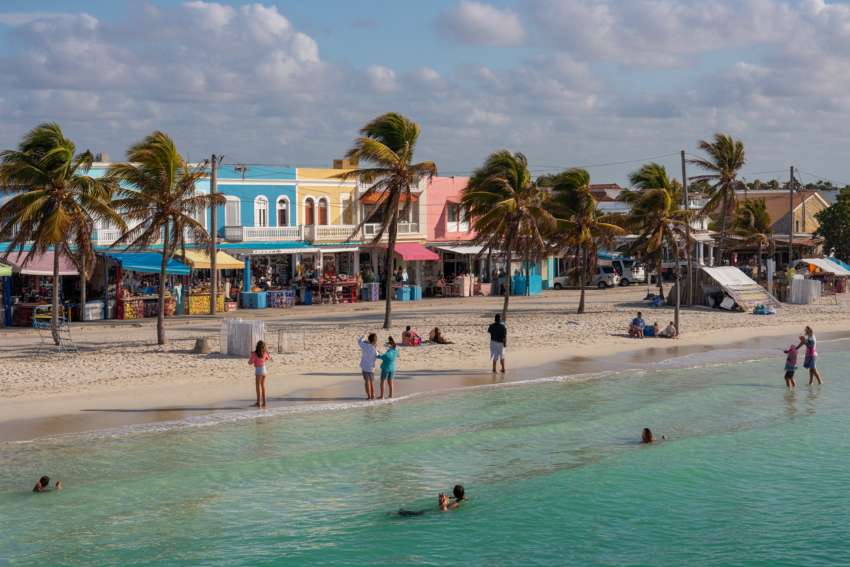
As the cold winds of winter sweep across North America and Europe, a swell of international tourists are making their way to the sunny beaches of Progreso, Yucatán. This signals the start of one of the most important seasons for the region’s tourism industry. Unlike the summer months, which attract a large number of tourists, the winter season sees a noticeable shift in visitor demographics. The arrival of “snowbirds”—primarily from the United States, Canada, and Europe—marks the beginning of this unique tourism season. These visitors flock to the region in search of warmer weather, more relaxed lifestyles, and less expensive vacations.
Progreso, known for its vibrant coastal culture, is preparing to welcome thousands of national and international visitors during the December holiday season. This period is critical for the local economy, particularly with an increasing number of visitors seeking extended stays to escape the freezing temperatures of their home countries. During this time, Progreso and surrounding communities see an influx of tourists who stay for months to enjoy the Yucatán Peninsula’s moderate winter climate, with temperatures averaging around 30°C.
A Shift in the Type of Visitors
The most significant change in the tourism landscape of Progreso is the profile of these international visitors. Historically, this segment of tourists was largely composed of retirees seeking refuge from harsh northern winters. However, the demographic has evolved, now encompassing younger couples, digital nomads, and families who opt to live and work remotely in this peaceful coastal town.
The modern-day “snowbirds” are no longer solely retirees. Today’s visitors seek not only relaxation and warmth but also the ability to work from anywhere. Digital nomads, particularly from North America and Europe, are flocking to Progreso for its affordable cost of living, reliable internet, and close proximity to beautiful beaches and nature. The serene atmosphere, coupled with top-notch amenities, has made the region an ideal place for remote workers who want to maintain their professional responsibilities while enjoying a high quality of life.
Progreso’s appeal has expanded beyond those simply seeking a beach vacation. The area is now a hotspot for people seeking to enrich their lives through extended stays, and the town’s evolving infrastructure is able to support them. Local businesses, restaurants, and service providers are seeing increased patronage during this winter season, helping to boost the economy significantly.
Economic Impact of Snowbirds and Remote Workers
The influx of visitors from the United States, Canada, and Europe has undoubtedly had a positive effect on the local economy. In particular, these tourists contribute to a variety of sectors, including commerce, hospitality, rental housing, and recreational activities. Many of the visitors who choose to stay for extended periods rent homes or apartments, offering steady income for property owners. The demand for rentals is expected to grow even further as more tourists embrace the “snowbird” lifestyle.
The local economy is further bolstered by tourists spending money on dining, local experiences, and entertainment. Restaurants, bars, and cafés in Progreso, Chelem, Chicxulub, and other coastal towns along the Yucatán Peninsula are thriving, thanks to the winter visitors. Local tours and recreational activities, such as eco-tours, water sports, and cultural events, are gaining popularity among these tourists, all contributing to the seasonal economic surge.
Medical Tourism Grows in Progreso
In addition to remote workers and winter travelers, Progreso has also seen significant growth in medical tourism, a rapidly expanding sector in Yucatán. The region’s affordability and access to high-quality healthcare make it a popular destination for those seeking medical treatment at lower costs than they would find in their home countries.
Many international visitors take advantage of their extended stay in Yucatán to receive specialized medical care, ranging from dental work to cosmetic surgery and wellness treatments. The healthcare facilities in Yucatán are well-regarded for their professionalism, state-of-the-art technology, and expertise. With medical expenses significantly lower than in the US or Europe, visitors find it a practical and affordable option to combine their healthcare needs with a pleasant vacation.
This booming medical tourism sector is particularly appealing to snowbirds who spend months in the region. These visitors find the opportunity to undergo procedures or consultations during their stay while also enjoying the relaxing, rejuvenating atmosphere of the Yucatán coast. The accessibility of top-notch healthcare has made the region a major destination for medical tourists seeking both treatment and leisure.
Winter Events and Community Engagement
The December holiday season in Progreso is not just about tourism; it’s also about community. The town kicks off the festivities with a variety of cultural events, starting with the lighting of the Christmas tree. This annual event draws locals and tourists alike, celebrating the holiday spirit and setting the tone for the busy season ahead.
In addition to holiday celebrations, the Yucatán coast is home to several community-based activities designed to engage both locals and tourists. Whether it’s traditional dance performances, artisanal markets, or live music events, Progreso and its neighboring communities offer a wide range of cultural experiences that appeal to all types of visitors. These events provide tourists with an authentic taste of local life while also supporting the local economy.
Progreso’s Future as a Year-Round Destination
While the winter season is unquestionably the busiest for tourism in Progreso, the region’s infrastructure and growing popularity indicate that the town will continue to draw visitors year-round. Long-term tourism prospects in the area appear promising, as Progreso becomes an increasingly popular destination not only for winter visitors but also for those looking to experience the region’s natural beauty and rich culture throughout the year.
In the coming years, Progreso is expected to grow into a global hub for remote work, digital nomads, medical tourism, and winter travellers. Progreso is becoming a popular destination for international visitors due to its affordable lifestyle, proximity to nature, and welcoming atmosphere. The growing number of long-term visitors, as well as the ongoing development of the tourism infrastructure, indicate that the port town is poised to thrive as a top winter and year-round tourism destination in Yucatán.
Trailer traffic is restricted in Progreso, due to the elevated viaduct December 8, 2025

PROGRESO.- As anticipated, starting this Monday, access for heavy vehicles , with one or two trailers, to streets in Progreso was limited , especially their passage through those used as alternate routes: 46, 26 and 86.
From early on, at the beginning of 46th Street, right in front of Corchito and the Progreso Sports Unit , the Municipal Police marked a lane to access the port, only allowing passage to cars, motorcycles and vans.
- The flow of heavy vehicles on the Progreso elevated viaduct returned to normal this Monday.
- The flow of heavy vehicles on the Progreso elevated viaduct returned to normal this Monday.
- The flow of heavy vehicles on the Progreso elevated viaduct returned to normal this Monday.
In the case of heavy vehicles, only those supplying stores and supermarkets , such as the Walmart that is about to open, Oxxo stores and mini-supermarkets, were allowed to pass.
However, those whose destination was the deep-water port could not enter the city.
Why did some trailers still use streets in Progreso?
It should be noted that vehicles with trailers, including cargo, were seen using 86th Street to leave the city . Apparently, these were trucks that had entered via the toll-free lane and had to use that street to exit.
It was revealed that this is because they did not pay the fee to use the viaduct , but on their next arrival at the port they will have to go through the checkpoint and make their corresponding payment.
On the other hand, residents of 86th and 25th streets said they were happy that ” the ordeal of enduring the passage of trailers” on their streets was finally over .
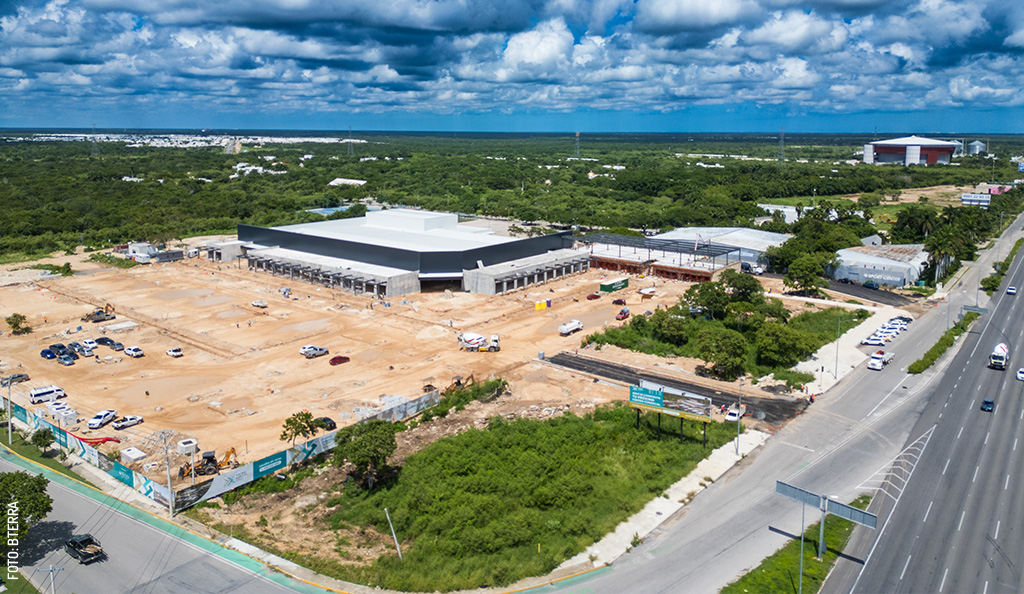
Prime Center: The New Commercial Benchmark in Northern Mérida
02 december 2025
Mérida, Yucatán, has successfully established itself in recent years as one of the most attractive cities in México for both living and investing. Its combination of safety, quality of life, air connectivity, and sustained urban growth has transformed the Yucatecan capital into a magnet for investors, tourists, and national and international brands looking to expand their presence in southeast México.
In this context, the Mérida–Progreso corridor has positioned itself as the city’s new growth axis. Neighborhoods like Xcanatún, Temozón, Las Américas, and Country Club are home to premium residential developments, luxury gated communities, and high-level services that demand commercial spaces to match their prestige.
A Project with a Strategic Vision
It is in this dynamic environment that Prime Center emerges, a new commercial complex developed by Bterra Desarrollos, a company with extensive experience in commercial, industrial, and mixed-use real estate projects in Yucatán.

Located in northern Mérida, at the intersection of the Mérida–Progreso highway and the access to Distrito Xcanatún, Prime Center is scheduled to open its doors in 2026 to become a key hub for retail, dining, and services.
Its architectural design prioritizes visibility and accessibility for brands, featuring:
- 415 parking spaces for visitor convenience.
- Rental spaces and macro-spaces with wide fronts and direct exposure.
- Strategic pedestrian and vehicle access points.
- Integrated green areas that provide an attractive and functional environment.
A Destination for Leading Brands
Prime Center has already secured the trust of prestigious brands such as the supermarket Chedraui, the ice cream and dairy shop Santa Clara, and the Canadian restaurant Boston’s Pizza, all of whom will be part of its grand opening. This selection of anchor tenants confirms the project’s profile: a space designed for established companies seeking premium visibility in the best location in northern Mérida.
With vehicle traffic exceeding 14,000 cars daily on the Mérida–Progreso highway, Prime Center ensures a captive market composed of residents from established subdivisions, tourists, and visitors connecting to the Yucatecan coast.
Available Spaces
- Macro Spaces: 225 – 250 square meters (approx. 2,422 – 2,690 sq ft)
- Retail Units: 26 units averaging 60 square meters (approx. 646 sq ft)
- Free Standing: 3 independent spaces
- Commercial Kiosks/Islands: 4 options for dynamic concepts
Every space has been designed to meet the needs of brands with high operating standards and customer service, maximizing both exposure and return on investment.
565 Couples Marry in Xmatkuil: Inclusion, Tradition, and Social Justice
Yucatan Times Dec 1, 2025
The Yucatán Xmatkuil Fair 2025 hosted the Mayan Renaissance Weddings, where 565 couples received legal recognition of their unions.
The Yucatán Xmatkuil Fair 2025 became the heart of one of the most moving celebrations of the year: the Mayan Renaissance Weddings. In an atmosphere filled with music, tradition, and family joy, more than 500 couples officially joined their lives in a ceremony led by Governor Joaquín Díaz Mena.
The night of November 29th was marked by the celebration of the Mayan Renaissance Weddings, a program that year after year is becoming one of the most representative initiatives for strengthening Yucatecan families, according to the state government’s legal advisor, Gaspar Alemañy.
At the 2025 Mayan Renaissance Weddings, held at the Yucatán Xmatkuil Fair, 565 couples were married, including four same-sex couples, reaffirming the program’s inclusive nature.
The number of participating couples exceeded initial expectations and reflects the event’s growing success as a direct support for families seeking legal certainty without facing high costs or complicated processes, stated Jorge Carlos Ramírez Granados, Director of the Civil Registry.
The couples came from more than 70 municipalities in Yucatán, ranging from rural communities to urban areas of Mérida and its metropolitan area.
AAFY installs new digital ATM in Progresohe November 30, 2025
Progresohoy

With the aim of facilitating administrative procedures for the residents of Progreso, the Progreso City Council, headed by Mayor Erik Rihani González, arranged in coordination with the Tax Administration Agency of Yucatán (AAFY) the installation of a digital ATM in the lower level of the Municipal Palace.
This initiative, promoted by the State Government, aims to provide residents with a quick and easy way to complete various procedures that usually require time or travel to other offices. With these digital kiosks, residents can carry out transactions in one place and in a matter of minutes, saving time and improving the overall service experience.
Mayor Erik Rihani emphasized that the installation of this ATM represents an important step towards the modernization of municipal services, as it will allow more families to carry out their procedures quickly, safely and without unnecessary travel, thus strengthening the efficiency of citizen services.
The mayor was accompanied at the presentation of the device by the deputy director of Taxpayer Services and Collection of the AAFY, Christabel Kú Ojeda, and the head of the Finance and Treasury Department of Progreso, Paulina Palma Quiñones.
During the demonstration, AAFY staff and the mayor showcased the ATM, highlighting its ease of use and efficiency. Official documents such as birth certificates can be obtained in just minutes.
The services available at digital ATMs include:
-Renewal and duplication of driver’s licenses.
-Obtaining birth, marriage, death, and divorce certificates.
-Consultation and payment of JAPAY water and sewage services.
-Payment of taxes and fees with a reference number.
-Payment of traffic violations with Yucatán State license plates.
The first kiosks of this initiative are already operating at various locations throughout the State.
These ATMs are currently located in Progreso, Mérida, and Umán. Citizens are encouraged to use this tool, available 24 hours a day, seven days a week. It is emphasized that this is an innovative and accessible service that reflects the technological advancements the City Council is promoting to make daily life easier for families in Progreso.
Progreso Opens Registration for Christmas Walk on World’s Longest Pier
ByYucatán MagazineNovember 28, 2025
The annual Christmas walk along the Progreso pier returns for 2025, with registration now open for the event on December 7. This year’s walk comes with a catch: only 6,000 spots are available, and they’re filling fast.
The National Port System Administration, known as Asipona, opened registration Thursday evening for what’s officially called the Atardecer Navideño en el Puerto, or Christmas Sunset Walk in the Port. By mid-morning Friday, nearly 1,000 people had already claimed their spots, leaving roughly 5,000 tickets remaining.
Anyone interested needs to register online and check their email afterward for a QR code. That code is mandatory for entry, and there’s no way around it. The walk takes place from 4 to 6 p.m., with gates opening at 3 p.m. exclusively for registered participants.
The pier itself stretches 4 miles (6.5 km) into the Gulf of Mexico, making it the world’s longest according to Guinness World Records. Its unusual length exists because of the Yucatán’s extremely shallow coastline, where the limestone shelf extends for miles before reaching water deep enough for cargo ships and cruise vessels.
The annual event gives locals and visitors a rare chance to walk along what’s normally restricted infrastructure. During the walk, Asipona closes the pier to truck traffic that normally moves cargo between ships and the mainland. The port authority reminds participants to bring comfortable shoes and plenty of enthusiasm for walking what they call “the longest pier in the world.”
This year’s Christmas walk happens 11 days after the new elevated viaduct opened for truck traffic on November 26. The 2,000 million peso project (roughly $100 million) connects the port’s remote terminal directly to the Mérida-Progreso highway, allowing freight vehicles to bypass the city center entirely.
The event hasn’t always gone smoothly. Weather forced cancellation of the December 2023 walk when a norte shut down port operations. That walk eventually happened January 15, 2025, drawing nearly 3,500 people. Last December’s event brought out 736 walkers who enjoyed Christmas music, special lighting, and holiday characters along the route.
The December 7 walk marks a return to the tradition after those weather-related complications. Families who’ve made it a holiday ritual are grabbing their spots early this year, knowing the 6,000-person cap means tickets won’t last long.
Progreso’s massive pier has become increasingly central to Yucatán’s economy. The port welcomed 102 cruise ships between January and August this year, representing an 82% increase over the previous year. The Danish company Christiani & Nielsen built the original 2 km section between 1937 and 1941 using steel-reinforced concrete, which has withstood hurricanes for more than 80 years.
Several expansion phases added another 4.5 km between 1985 and 1989, creating the record-breaking structure visitors walk today. The pier’s 146 arches allow ocean currents to flow beneath, though beach erosion has become a concern in recent years.
For now, residents are focused on the December walk. Registration closes when all 6,000 spots fill, which could happen within days based on current demand.
If You Go
- Date: Sunday, December 7, 2025
- Time: Gates open 3 p.m., walk from 4-6 p.m.
- Registration: aplicativo.puertosyucatan.com
- Cost: Free with required QR code
- Capacity: 6,000 participants
- Requirements: Comfortable walking shoes, QR code from registration email
Zal Marina offered a lively welcome to “snowbirds” in Progreso
A special menu, drinks, and live music marked the start of the arrival season for foreign residents at this port. Live music and a special menu will be available every Friday from 4 to 8 PM. Nov 29, 2025 Progresohoy

PROGRESO.– With a warm evening by the sea, the Zal Marina restaurant welcomed the “snowbirds” (foreign residents) who arrive in Progreso during the winter season, celebrating the beginning of a new tourist cycle in the port with an event specially designed for them.
Yesterday afternoon brought together residents, visitors, and locals who enjoyed a lively atmosphere, accompanied by an exclusive menu and a special selection of drinks prepared for the occasion, all framed by the sea view and the camaraderie among the international community that chooses Progreso as its destination for stay each year.
The entertainment was provided by the group Paradigmas, who offered a wide selection of live music to liven up the day and create a festive atmosphere that was enjoyed by the attendees, who shared a different experience at the restaurant located on the international boardwalk at the height of 100th Street.
The band Paradigmas earned applause from the audience for their diverse repertoire of classic rock songs in both Spanish and English. The group is led by Luis Romero (keyboards), Sixto Muñoz (bass), Andrés Sabido (drums), and Daniel Parra (electric guitar).
Zal Marina restaurant announced that these evenings will now be held every Friday, from 4 pm to 8 pm, with the aim of establishing a meeting point for foreign residents, tourists, and local families who seek to enjoy good music, gastronomy, and sunsets by the sea.
The invitation is open to the general public, as well as tourists and locals who wish to spend Friday afternoon in a different atmosphere, with good music and the spectacular view of Progreso’s beaches from the Zal Marina terrace.
Erik Rihani invites everyone to the lighting of the tree “A hug of Christmas love”
Nov 27, 2025 Progresohoy

The Progreso City Council invites all families in the municipality to the traditional Christmas Tree Lighting, an emblematic event that marks the beginning of the December festivities and strengthens the spirit of unity, peace and coexistence characteristic of this season.
The lighting ceremony will take place on Monday, December 1st at 7:00 pm in Independence Park, where numerous families are expected to attend to share the joy and hope that Christmas represents.
For this year’s event, the municipal administration has prepared a special evening featuring music, artistic performances, and dance numbers by various academies. Every detail has been carefully planned to offer children, teenagers, and adults a warm, safe, and truly festive experience, reinforcing the values ??of family unity and community spirit.
This Christmas gathering, which year after year becomes a significant tradition for families in Progreso, seeks to renew the festive atmosphere that distinguishes Progreso during December.
These celebrations allow citizens to enjoy spaces of healthy coexistence, promoting activities that strengthen well-being and social harmony.
The start of the holiday season marks the beginning of a time for togetherness and special family moments. The lighting of the tree symbolizes the hope and joy of this time of year, feelings that children and adults alike can once again experience.
In this context, Mayor Erik Rihani González extended the invitation to the entire population to join in this special evening, highlighting that “the lighting of the tree is a symbol of celebration and of the values ??that unite us as a community.”
“We invite you to enjoy this time with your loved ones and, together, welcome Christmas, a time that reminds us of the importance of sharing, living together and strengthening the bonds that make us a more united municipality,” he said.
With this event, the municipal administration reaffirms its commitment to promoting activities that strengthen community spirit and contribute to the social development of Progreso.
The Christmas Tree Lighting is just the beginning of a series of activities that will take place throughout December to celebrate the Christmas holidays.
Finally, citizens are invited to stay informed through the official website of the Progreso City Council and its social media channels, where the 2025 Christmas Program will soon be announced, designed to offer a season full of tradition, togetherness, and memorable moments for all families.
Enjoy Stargazing at “Night of the Stars 2025”
written by Yucatan Times November 27, 25

In its 17th edition, this family event will be held at Merida´s Centenario Zoo, featuring a variety of activities, workshops, shows, and talks where visitors can observe and learn about the night sky, stars, celestial bodies, and constellations.
For 2025, “Night of the Stars” will be presented in partnership with more than 15 groups, societies, and institutions to promote science and culture with up to 76 activities, including workshops, talks, lectures, telescope viewing, laser shows, and artistic performances.
Nearly 300 volunteers, including experts, students, and members of the participating groups, societies, and institutions, will participate in this event to share science and culture through family learning.
Since 2009, “Night of the Stars” has been held nationwide in 116 locations and even 2 international venues. And in Yucatán alone, it drew over 13,000 visitors last year.
This family event will take place at the Centenario Zoo on November 29th from 4 pm to 10 pm.
All activities are free, offering fun and learning for all ages.
EXCLUSIVE: Jan De Nul’s giant CSD Fernando de Magallanes busy at Port of Progreso
November 27, 25, by Eldin Ganic
Yucatan Governor Joaquín Díaz Mena inspected the dredging operations at the Progreso Deep-Water Port two days ago. The project, now over 60% complete, is a key part of the Maya Renaissance initiative to boost the region’s economy.

During the visit, Mena also toured Jan De Nul’s cutter suction dredger (CSD) Fernando de Magallanes, one of the most advanced dredging vessels in the world. At 138.5 meters long and powered by 30,000 horsepower, it ranks among fewer than 20 dredgers of its class worldwide.
“What we see here is the beginning of a profound transformation. This is the infrastructure that will allow us to attract more investment, create more jobs, and position Yucatán on the new logistical and economic map of the country,” Mena said.
The expansion of Progreso involves a historic investment of 7.9 billion pesos (approximately $400 million).
This funding combines federal, state, and private resources to ensure the success of the project. In addition to dredging, the port will grow from 36 hectares to 116 hectares of operational space, creating room for logistics centers, new companies, and expanded maritime services.
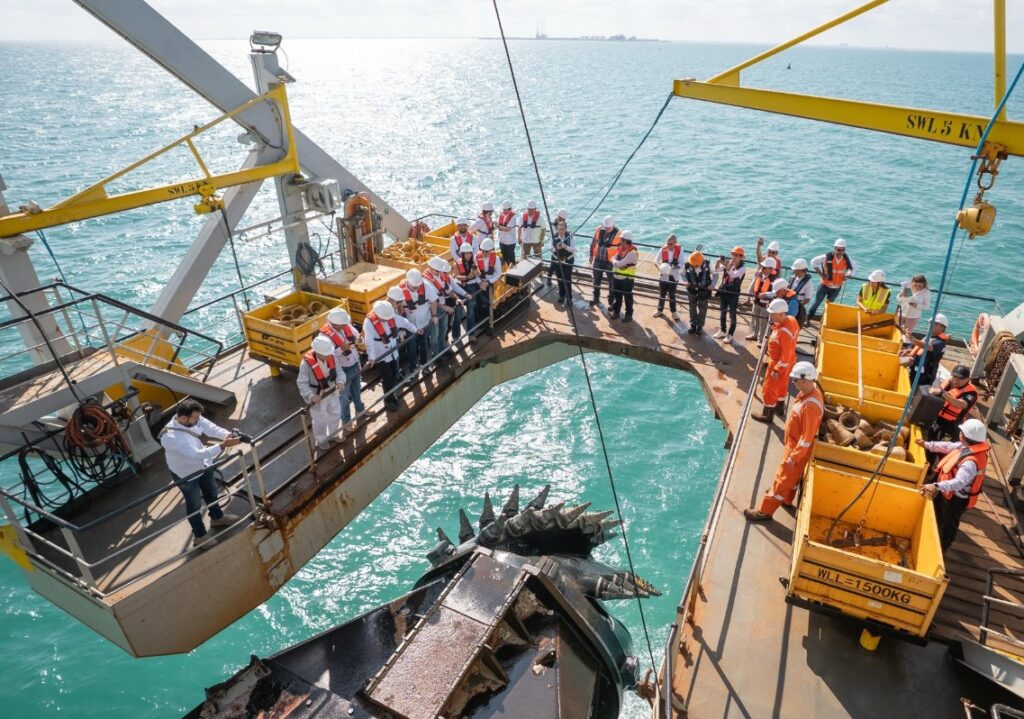
According to officials, this phase of port dredging alone will increase the available operational area by over 200 percent. Also, the modernization is expected to attract multinational corporations, strengthen supply chains, and position Progreso as one of Mexico’s most competitive deep-water ports.
The Progreso Bypass Elevated Viaduct Begins Operations
written by Yucatan Times Nov 27, 25
The project will expedite traffic flow and prevent heavy trucks from passing through the urban area.

The Progreso Bypass elevated viaduct began operations this Wednesday and is being consolidated as a strategic infrastructure project to improve the port’s logistics and strengthen the safety of families in the municipality.
The new roadway will expedite the transit of cars, buses, and cargo trucks, optimizing travel times and preventing heavy trucks from passing through the urban area.
To ensure this, the viaduct’s operation is being constantly monitored in close coordination with the Secretariat of Public Security (SSP), the National Guard, and the National Port System Administration (Asipona) Progreso.
During this initial phase, technical and operational personnel are conducting 24/7 surveillance at the north and south toll plazas to guarantee safe, smooth, and continuous operation.
Before its opening, a testing period was conducted starting November 6th, during which the signaling, traffic control, and logistics systems were evaluated to ensure the infrastructure met the established operating standards.
The opening of the viaduct represents a significant improvement in the efficiency of the Port of Progreso, reducing travel times from approximately 30 minutes to between 5 and 6 minutes.
This improvement will lower operating costs, optimize route scheduling, and provide greater safety for operators and freight vehicles.
Likewise, the project generates direct benefits for the residents of Progreso by diverting heavy vehicle traffic away from residential and commercial areas.
This contributes to reducing traffic congestion, minimizing wear and tear on urban roads, and improving road safety for pedestrians and motorists.
Municipal authorities agreed that this infrastructure addresses a long-standing demand from residents, who for years have requested the relocation of heavy truck traffic away from the municipality’s internal streets to improve mobility and reduce risks.
The operation and supervision of the project involve Asipona Progreso; the State Government, through the General Secretariat of Government and the Yucatán Institute of Highway Infrastructure (Incay); the Ministry of Infrastructure, Communications and Transportation (Sict); the Ninth Naval Zone; the Naval Port Protection Unit (Unaprop); the Progreso City Council; and the concessionaire, Operaciones Autovía Libramiento Progreso, S.A. de C.V.
With the opening of the Progreso elevated viaduct, the Government of the Maya Renaissance reaffirms its commitment to strengthening strategic infrastructure, improving mobility and road safety, and promoting the logistical and economic development of the port and the state.
Recent Comments