
A new restaurant in Chicxulub!! El Fuego de Mar!! Great food and service!! Special for Canadian Thanksgiving!! Calle 28, #54 x C21 & C23, WhatsApp: 999 547 0608
Imminent cyclonic development in the Gulf of Mexico: more rains would affect the Peninsula
INVEST 92L HAS A NEARLY 100% PROBABILITY OF CYCLONE FORMATION / YUCATAN WOULD BE OUTSIDE ITS PATH / IT COULD CAUSE HEAVY RAINS AND GUSTS IN THE WESTERN PENINSULA; JUAN VÁZQUEZ MONTALVO CALLS FOR CALM AND TO FOLLOW OFFICIAL INFORMATION Oct 6/26 Progresohoy
MÉRIDA.– The Invest 92L research area, located in the southwest Gulf of Mexico, has a near 100% probability of cyclonic development during the next 48 hours and the next seven days, according to the report from the National Hurricane Center in Miami corresponding to 2:00 p.m. Eastern Time on Tuesday, October 6.
The agency reported that satellite imagery and surface observations show better organization of showers and thunderstorms, while pressure gradually decreases. If this trend continues, it expects to begin issuing advisories on the system Tuesday afternoon or evening.
For his part, meteorologist Juan Vázquez Montalvo explained, in the monitoring report released by CIAFEME UADY and CHMDY, that the system corresponds to a broad low-pressure trough. According to the model trends cited in that report, the Yucatán Peninsula is not in the path of the potential tropical cyclone, although it is still unknown how close it would pass to the northwest of the peninsula and what indirect effects it could cause.
The National Hurricane Center’s report on Tuesday raised the possibility of cyclone formation to nearly 100% within the next 48 hours and seven days.
According to the National Hurricane Center, the system is moving slowly eastward and could generate gusty winds and heavy rain in parts of the western Yucatan Peninsula within a couple of days.
Later, it is expected to turn north or northeast, heading towards the northern Gulf of Mexico coast, towards the end of the week.
Recommendations
Vázquez Montalvo urged the inhabitants of the peninsula to remain calm, avoid sensationalist publications, and follow official information on the evolution of the system.
The near 100% probability of tropical cyclone formation does not guarantee a direct impact on Yucatán. The storm’s trajectory and potential local effects are being closely monitored.
The National Hurricane Center reported that a NOAA Gulfstream aircraft would study atmospheric conditions over the Gulf on Tuesday afternoon. Investigations of the system by Air Force and NOAA reconnaissance aircraft are planned for Tuesday.
Mexico’s loneliest island: the coral paradise few get to visit
One of the few ecosystems of its kind located far from Mexico’s coastline, it receives very few tourists and is also a Protected Natural Area.
Mexico has the great privilege of having reef areas along much of its coastline, both on the Pacific side, from Baja California to Oaxaca, and along the Gulf of Mexico, in Veracruz and Campeche, as well as in the Caribbean Sea near the Yucatán Peninsula.
It is precisely in this last region of the country that Alacranes Reef National Park is located, an ecosystem of global importance. This area lies 140 kilometers from Puerto Progreso, Yucatán. A wide variety of marine flora and fauna species have been documented there.
Alacranes Reef is an area with great biological diversity and is also highly important to the economy, particularly the fishing industry.
Among its wildlife, four of the world’s seven species of sea turtles have been observed: leatherback, hawksbill, loggerhead, and green sea turtles. Various species of marine mammals have also been spotted, including dolphins and pilot whales, along with 24 shark species, 34 coral species, and around 136 varieties of fish.
Four of the world’s seven species of sea turtles can be observed in this area.
This ecosystem provides an economic livelihood for hundreds of fishing families, primarily through the harvesting and sale of lobster and grouper. As can be seen, Alacranes Reef is an area of remarkable biological diversity and considerable economic importance, particularly for fishing.
This impressive National Park covers 333,768 hectares, equivalent to slightly more than twice the size of Mexico City. It is known as Alacranes Reef and contains the largest coral structure in the southern Gulf of Mexico. Within this area are five islands: Isla Chica, Isla Muertos or Desertora, Isla Pérez, Isla Desterrada, and Isla Pájaros. These are important nesting areas for at least 116 bird species, including the piping plover, masked booby, and peregrine falcon.
This type of marine environment covers around 1% of the ocean; reefs are so important that they are home to approximately 25% of all known marine species on the planet. Unfortunately, growing tourism, pollution, and overfishing are putting these environments at risk.
Planning a visit to Alacranes Reef
Preserving these areas is essential to protecting the species that live there. This large barrier also serves as a natural obstacle to the movement of tropical cyclones, allowing these large systems to lose intensity and weaken as they move across the area. Despite its remarkable natural wealth, Alacranes Reef remains a relatively little-known destination, which also helps with its preservation.
Important recommendations
If you are planning to visit this site, you can not only enjoy the opportunity to connect with nature but also contribute to protecting the environment and the species that live there. It is important to wear appropriate water clothing, including long-sleeved shirts, shorts, and water shoes, which can help reduce the need for sunscreen.
Follow the instructions provided by specialized guides. Do not disturb the environment, remove any plant or animal species, or alter the natural conditions you encounter. Between June and October, its beaches become nesting grounds for sea turtles, making it essential to respect these animals and their nests
Mérida is ready for the inaugural edition of “La Fiesta del Mariachi” Yucatan Times Sept 25,/26

MÉRIDA, YUCATÁN — The vibrant sounds of traditional Mexican ranchera music will fill Mérida on Friday, September 25, as the city hosts the first edition of La Fiesta del Mariachi, a major musical showcase taking place at the iconic Teatro Fantasio.
The inaugural event promises a rich cultural lineup featuring three distinct mariachi ensembles, a ballet folclórico dance troupe, and a diverse roster of local, national, and international vocalists. Together, the performers will deliver a dynamic program dedicated to celebrating Mexico’s iconic musical heritage.
Organizers designed the show to run between ninety minutes and two hours, offering an accessible and lively cultural experience for residents and visitors alike. General admission tickets have been priced at 200 pesos, ensuring wide public access to high-caliber live music in downtown Mérida.
Featuring traditional costumes, rich instrumental harmonies, and lively folkloric dance choreography, the inaugural festival aims to establish itself as a recurring highlight on Yucatán’s cultural calendar, strengthening the regional appreciation for traditional ranchera genres.
Tren Maya Cargo Network Reaches 67% Progress, Poxilá and Progreso Set as Strategic Hubs Yucatan Times Sept 24/26
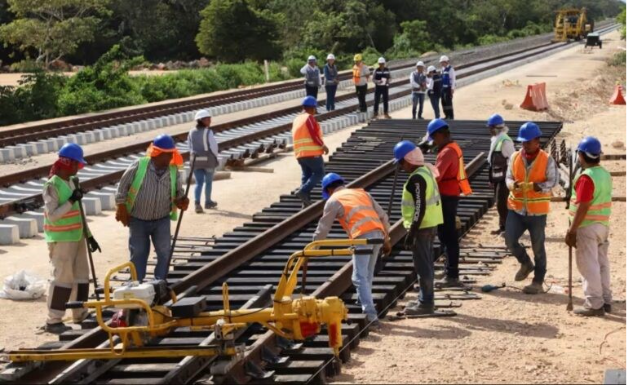
MÉRIDA, YUCATÁN — Construction of the freight infrastructure for the Mayan Train project has reached a 67 percent completion mark in Yucatán, establishing key intermodal logistics hubs in Poxilá and Puerto Progreso to transform regional trade and connectivity across southeastern Mexico.
According to official project updates, the freight system features four primary intermodal complexes located in Palenque (Chiapas), Poxilá and Progreso (Yucatán), and Cancún (Quintana Roo). Together, these facilities will encompass roughly 100 kilometers of internal tracks dedicated to rail maneuvers, sorting, and cargo dispatch.
Within Yucatán, Poxilá—located south of Mérida—will serve as a pivotal junction. The site integrates the main Mayan Train rail ring with Mérida’s key industrial zones and a newly developed freight corridor leading directly to the port city of Progreso. The engineering scope includes rehabilitating 18.9 kilometers of existing rail line between Poxilá and Mérida, alongside constructing 48.7 kilometers of entirely new tracks connecting Poxilá to Puerto Progreso [source: 1]. This initiative reactivates a historical rail corridor that remained out of operation for years.
The freight rail expansion coincides with an ambitious modernization project at Puerto Progreso [source: 1]. Supported by an estimated investment of 12.225 billion pesos, the port is expanding its operational land area from 34 to 114 hectares, adding new dock positions and maritime platforms.
Once completed, the direct link between the railway and the seaport will allow seamless transport of goods across the Yucatán Peninsula and into Mexico’s national rail grid, reducing reliance on highway trucking. Cargo arriving via maritime routes at Progreso will transfer directly onto train cars for distribution inland, while locally manufactured products can be moved by rail straight to the port for export to international markets.
The logistics overhaul forms a cornerstone of broader regional development plans designed to strengthen economic competitiveness, streamline supply chains, and position Yucatán as a vital commercial gateway for southern Mexico.
Police Rescue 127 Sea Turtle Hatchlings in Chelem Sept24/26
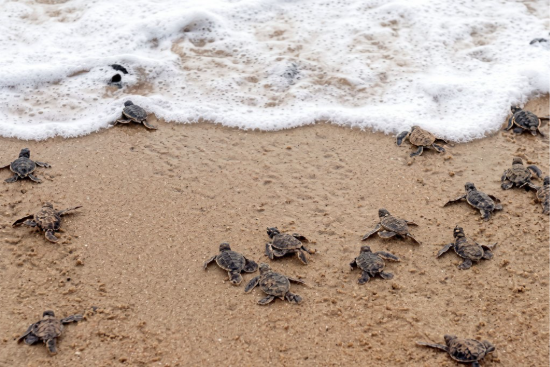
In the early morning hours, Progreso municipal police found 127 sea turtle hatchlings on the beach in Chelem. Because of their condition, officers gathered the tiny turtles and took them to a designated spot on the beach for a safe release.
The rescue is one of many this season. As of Sept. 9, Progreso police had counted 2,164 hatchlings rescued since nesting began, thanks to regular beach patrols and calls from the public.
Police did not say which species the hatchlings belonged to. Several kinds of sea turtles nest along the Yucatán coast, most commonly green, loggerhead and hawksbill turtles.
Progreso’s municipal police say officers keep watch 24 hours a day, seven days a week, and turtle calls follow a clear pattern. About 90% of reports come in between nightfall and the first hours of the morning, when females come ashore to nest, and hatchlings di Night shift on the beach
g their way out of the sand.
Police credit residents for much of the work. Quick calls to 911 let officers reach the turtles faster.
The job doesn’t end once officers find the hatchlings. Officers try to identify the nest they came from and follow protocols to decide the right time and place to release them into the sea.
Foreign residents with homes near the coast are among the groups that have helped. Authorities have also asked beachfront property owners not to aim floodlights at the sand.
Why lights matter
Artificial light confuses both nesting females and hatchlings. Baby turtles instinctively crawl toward the brightest horizon, which should be the moonlit sea. Bright lights on land can pull them in the wrong direction, away from the water and inland, where many die.
The problem is familiar to anyone who has spent time on the beaches of Florida, where wildlife officials urge beachfront residents to keep lights low and shielded during hatching season.
Peak season now
Nesting season on the Yucatán coast begins in spring, and eggs take roughly 45 to 60 days to hatch. That makes July through November the main window for hatchlings, with September and October the busiest months.
For people living on or visiting the coast, the advice is simple. Report any turtle, hatchling or possible nest to 911. Don’t pick up or move the animals; leave handling and release to trained staff.
Fast Facts
Where: Chelem beaches, municipality of Progreso
Hatchlings found: 127
Season total: 2,164 rescued as of Sept. 9
When reports come in: About 90% between night and early morning
Peak hatching: September and October
To report a turtle or nest: Call 911
Please don’t: Handle hatchlings or shine lights on the beach
New Ticketing Both and Machines for the Tren Maya in Mérida
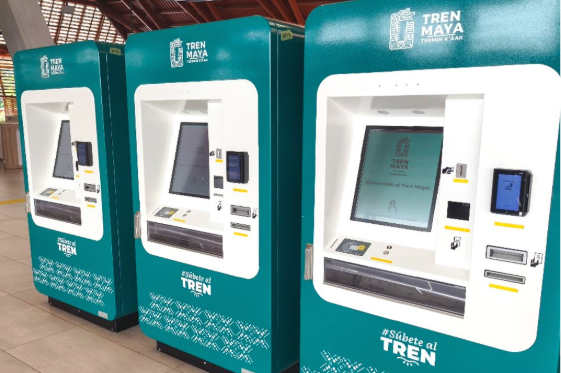
The inauguration of the new Tren Maya ticket booth at La Plancha park in Mérida is a much-needed improvement for the struggling rail network.
Similar ticketing booths are also rumored to open soon in cities like Campeche and Izamal.
For travelers and residents, securing train passage has historically involved significant logistical hurdles. Since the ambitious Mayan Train rail network began operations, buying tickets anywhere outside the train stations has remained a persistent obstacle. These recent updates in Mérida introduce relief to a system that has long lacked more flexible and accessible consumer touchpoints.
Ticketing machines for the Tren Maya can be found in locations like Pasaje Picheta, though they don’t allow travelers to purchase discounted tickets.
Though the Tren Maya has seen a slight increase in ridership, the rail network is betting big on its new cargo route to Progreso.
Ticketing stations at stations like Palenque have recently been revamped and installed, though they are not exactly reliable or easy to navigate.
Addressing Ticketing Challenges
Since its inception, the rail network has grappled with ticketing bottlenecks. Passengers often found that booking a journey meant traveling to the main terminal stations, as alternative physical sales channels were scarce.
While online options were theoretically available, the official Tren Maya website has notoriously suffered from frequent technical failures and a complex user interface. Navigating the digital platform often results in frustration, failed transactions, and abandoned travel plans.
The introduction of physical ticket booths and automated machines closer to urban centers directly combats these systemic failures by offering reliable alternatives to the glitchy web portal.
New Ticket Machines and Physical Booths at La Plancha
To complement the new staff-operated ticket booth at La Plancha, which opened this week and also included repairs to ticketing machines at Teya Station itself, passengers now have more options for purchase.
Located in the heart of the city, these machines let users book trips quickly without the long commutes previously required to reach outlying terminals like Mérida-Teya. This decentralization of ticket sales brings the rail infrastructure directly into a major urban hub, making spontaneous travel planning and scheduled commuting more practical for everyday users.
The Exception for Special Rates and Discounts
The only way to book tickets that take advantage of special rates for individuals holding INAPAM cards, student IDs, or regional discounts designated for peninsula residents remains exclusively through staffed Tren Maya ticket booths.
Automated machines and online portals are limited to standard general fares, so students, seniors, and residents seeking their entitled discounts must visit a physical ticket window with the appropriate identification to book at reduced rates.
Solving the Last Mile Problem with Dedicated Shuttle Services
Beyond purchasing tickets, getting to and from the remote rail terminals has long been a problem for travelers, many of whom choose taxis or ride-sharing services to get directly to Teya Station.
The main Mérida-Teya station sits outside the city proper, creating a classic last-mile problem for those arriving from or departing toward the center of town. Worse, even once travelers arrive in Mérida proper, they often end up at La Plancha Park, far from most downtown traffic.
To bridge this gap, a new shuttle bus route will soon start operating from La Plancha to downtown Mérida for 40 pesos. The bus service is coordinating with train schedules to ensure travelers can move smoothly between the historic downtown area and the rail terminal.
But at 40 pesos, couples or families may be better off taking a taxi or one of the many ride-sharing options available.
Carlos Rosado van der Gracht Senior Editor Carlos Rosado van der Gracht, PhD, is a journalist, photographer, and expedition leader. Born in Mérida, Carlos holds degrees from universities in Mexico, Canada, and Norway. Most recently, he earned a doctorate in Heritage Studies in 2026.
VERIFIED SHELTERS, DISTRIBUTED INCOME AND 24-HOUR MONITORING ARE PART OF THE STRATEGY BEFORE CYCLONE SEASON.
? Governor Joaquín Diaz Mena reported that Yucatan keeps Operational Cyclone 2026 active before the weeks of increased cyclonic activity, with permanent weather monitoring from the C5i.
? The plan includes 31 state and 1,238 verified municipal shelters, in addition to distributed inputs and coordination with federal authorities, Army, Navy, National Guard, CFE and Conagua.
?? Although a quiet closing for the season is planned, authorities maintain vigilance and urge the population to follow official information and have a family plan in the face of any contingency.
#Yucatán #TemporadaDeCiclones #ProtecciónCivil #OperativoCiclón2026
Yucatán Launches Technological University of the Sea to Boost Coastal Development Yucatan Times Sept 14/26
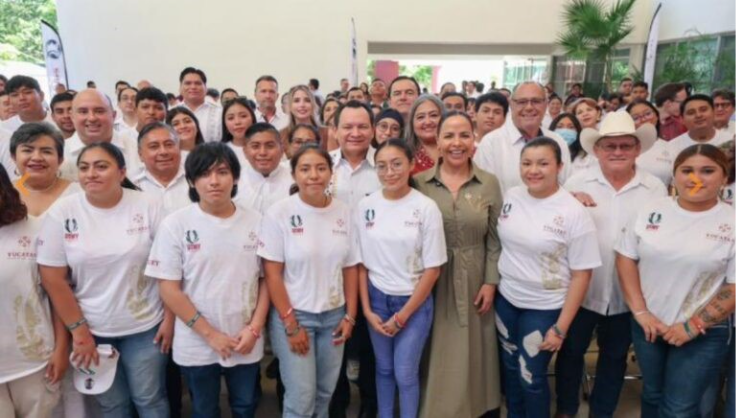
The Technological University of the Sea of Yucatán (UTMY) officially launched operations on September 14, 2026, welcoming its inaugural class of 60 students. The public institution aims to train specialized professionals for the state’s maritime, fishing, port, and environmental sectors.
Governor Joaquín Díaz Mena presided over the inauguration for the 2026–2027 academic year at the Yucatán Science and Technology Park, which serves as the university’s temporary home. Designed in partnership with the federal government and local coastal industries, UTMY offers degrees in Aquaculture, Maritime and Port Management, and Natural Resources and Environment.
To ensure financial hardship or geographical distance does not prevent youth from pursuing higher education, the state government is providing free housing, meals, and priority access to the Juventudes Renacimiento scholarship for students from vulnerable or remote coastal communities. The inaugural student body includes youth from coastal municipalities such as Progreso, Celestún, Río Lagartos, and Dzilam de Bravo.
The state allocated two million pesos to adapt classrooms and dormitories at the temporary site while preparing permanent facilities in Progreso. Construction on the permanent campus will begin shortly adjacent to the Center for Technological Studies of the Sea (Cetmar), supported by an initial federal-state allocation exceeding 40 million pesos.
Jorge Karim Mena Abud, a fishing industry executive and former state fishing secretary, was introduced as UTMY’s rector. Governor Díaz Mena highlighted that UTMY fulfills a key campaign promise to expand higher education opportunities across Yucatán, complementing other regional university projects planned for Kanasín, Colonia Yucatán, Chikindzonot, Tzucacab, and Umán.
Recent Comments